TOMZENK.NET CAREER ARCHIVE

TomZenk.net AWA Collection · Feature One

MinnesotaPower Plant

How Eddie Sharkey helped shape the careers of the Road Warriors, Rick Rude, Tom Zenk and many others.

“Sharkey wasn’t simply training wrestlers. He was passing on the oldest secret in professional wrestling—how to make people believe.”

A long-form feature built from Tom Zenk’s recollections, archival photographs, programmes and documentary material.

01 · OriginsRed Wing and the making of Eddie Sharkey. 02 · The WorkCarnivals, marks, rematches and kayfabe. 03 · The CampThe training ring and Tom Zenk’s arrival. 04 · LegacyThe graduates who changed professional wrestling.

01

The Making of Eddie Sharkey

Long before he trained champions, Eddie Sharkey had already learned how to survive the streets, the institutions and the fading carnival world from which modern professional wrestling emerged.

Born Edward Shyman, Sharkey grew up around Minneapolis and developed an early fascination with wrestling. His youth also included time at the Red Wing State Training School. The experience formed part of the hard, unconventional background that later fed his reputation as a streetwise wrestler, hustler, trainer and survivor.

What mattered most was not that Sharkey followed a conventional path—he did not—but that each stage taught him something useful: toughness, observation, improvisation, and an instinct for reading people. Those qualities would later become central to the way he taught wrestling.

Early yearsMinneapolis and an early fascination with wrestling.
Red WingA formative chapter in Sharkey’s youth.
CarnivalsMultiple bouts, side bets and the old working tradition.
Pro wrestlingLearning the ring from the inside.
MinneapolisBars, gyms, characters and the local wrestling scene.
The campPassing the knowledge to a new generation.
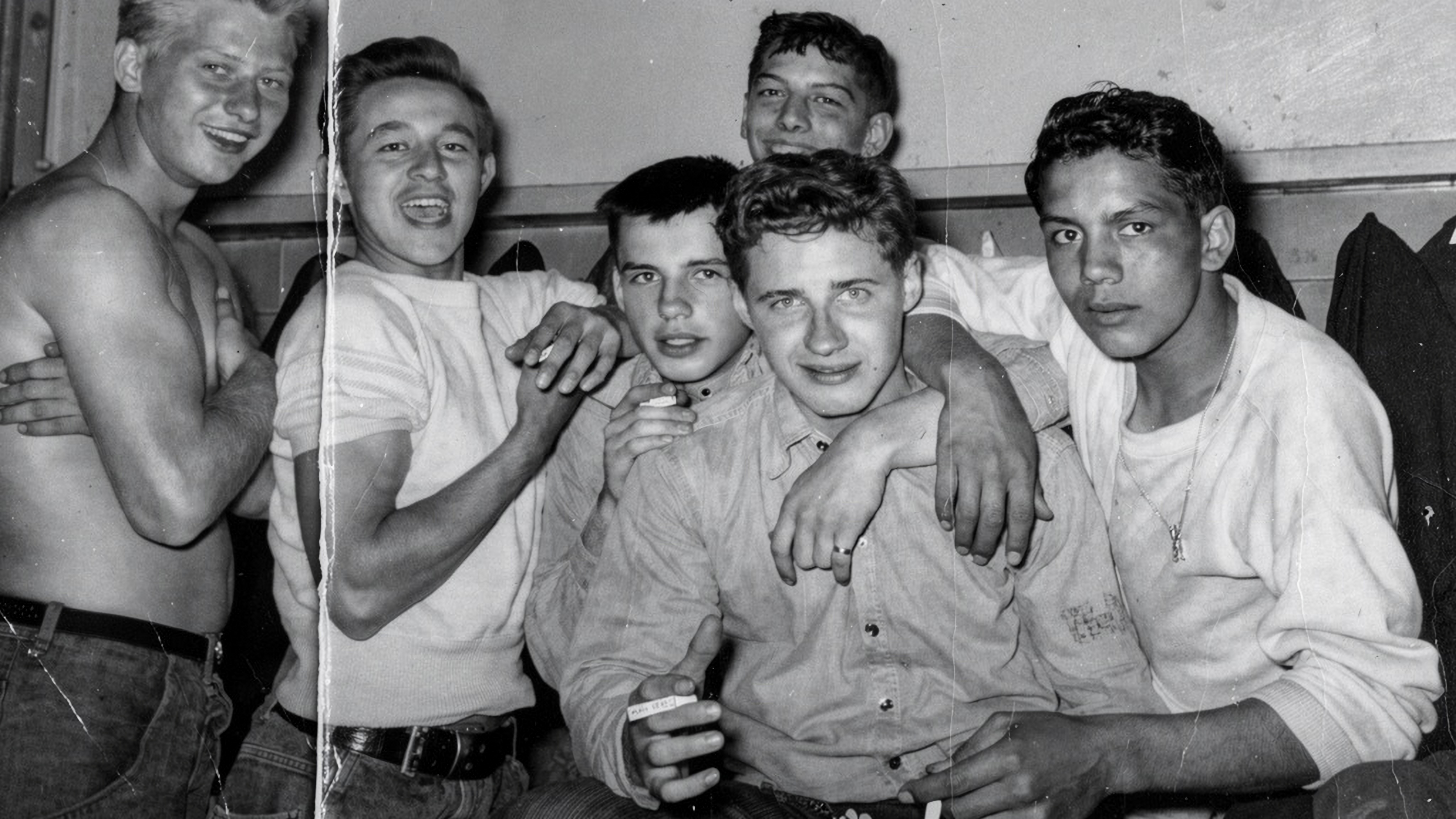
Young Eddie Shyman with other boys at Red Wing State Training School
Eddie Shyman, right of centre, with fellow boys at the Red Wing State Training School in Minnesota.
“Sharkey always knew he wanted to be a tough guy. Undersized, he took to weightlifting. He also took to the streets, dropping out of Hopkins High School in the tenth grade… Sharkey's taste for street brawling led to two stints at the boys' reformatory in Red Wing. Sharkey looks back on the experience fondly: ‘That was my education. I made lifelong friends there with kids and staff. I don't have any feelings for Hopkins High. But I've got emotions for Red Wing. I learned everything I needed to know there: hit hard, talk fast, and never forget what honor means.’”Sharkey Mania, Mike Mosedale, City Pages, November 2000
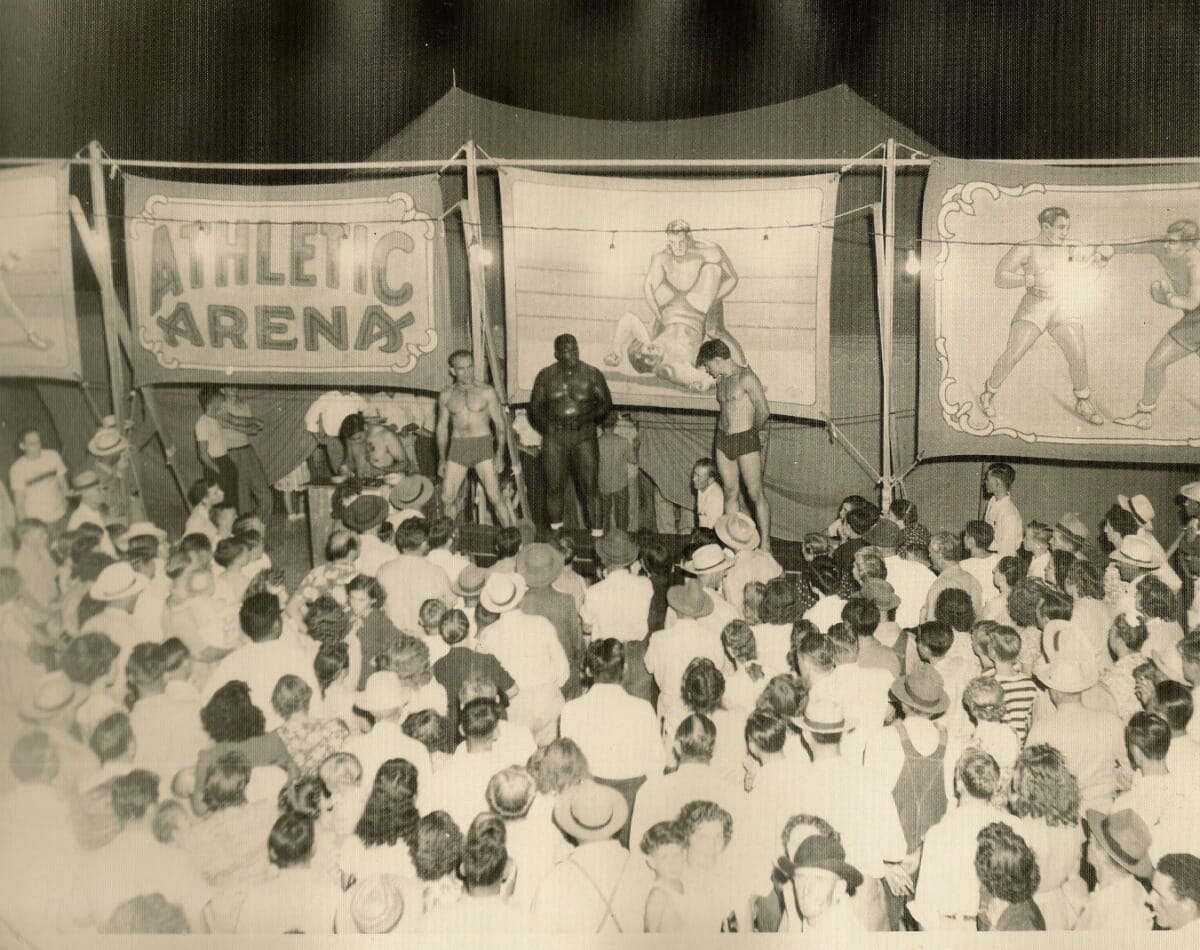
A crowd gathered around a carnival wrestling arena
Professional wrestling under the big top. Carnival wrestling combined athletic performance, audience participation, side bets and carefully managed deception.
Sharkey was sure about one thing: he didn’t want to work a straight job. Carnival wrestling seemed a natural fit.
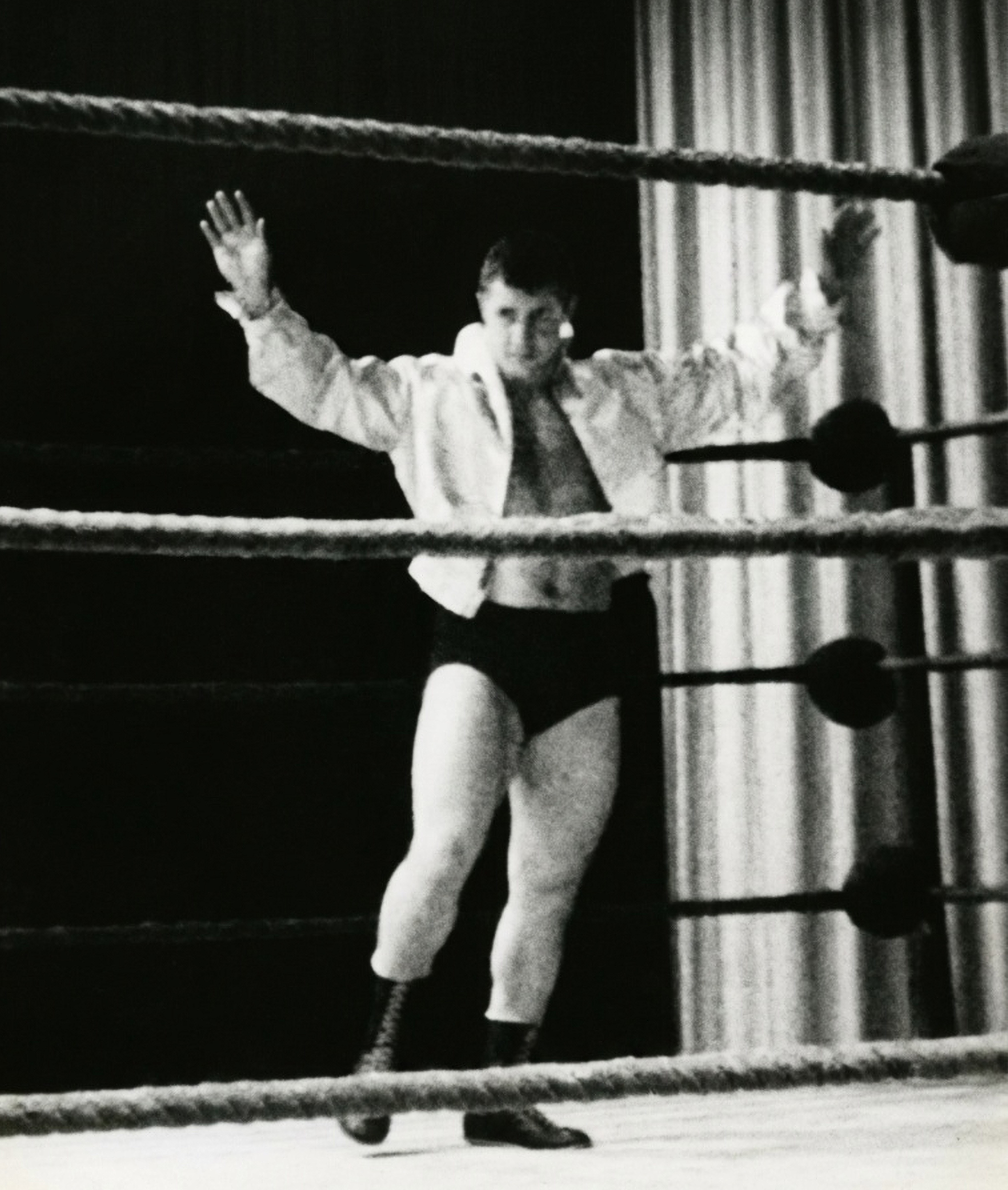
Young Eddie Sharkey entering a wrestling ring
A young Eddie Sharkey in the ring, before he became known primarily as a trainer.

03

From Carnival to the Ring

The carnival circuit taught Sharkey the work. Professional wrestling tested whether he could protect it under pressure.

For more than a decade, Sharkey honed his craft—usually in Minnesota, but also in San Francisco, Salt Lake City and Denver. If his act grew stale, he hit the road and worked another territory. In the ring, Sharkey was almost always a face. Outside the ring, he continued to scrap whenever the opportunity presented itself.

“I think I knocked out more guys on Hennepin Avenue than anyone in the history of Hennepin Avenue,” Sharkey said. “I was young, in shape, and I didn’t give a shit about anything. I thought it was wonderful.”

Sharkey Mania, Mike Mosedale, City Pages

His later authority did not come from theory. It came from experience: being watched, tested and sometimes challenged in an era when wrestlers could not rely on barriers, security teams or carefully controlled arenas.

“Nowadays, you can associate freely with the fans, but back then it was a totally different story. They could be a scary bunch of people because they believed it was real,” he says. “Wrestlers got stabbed sometimes, and they got attacked a lot. And we could fight back, because there weren’t any lawsuits.”Sharkey Mania, Mike Mosedale, City Pages

04

A Life Lived by His Wits

Tom Zenk remembered Sharkey as a shooter, street fighter, hustler and master of the con.

“I was 18 and a store dick when Eddie first picked up on me at the Sports Club, testing my knowledge of the con. Maybe we recognized each other and thought we might do business some day. Eddie hung with shoplifters and pickpockets and petty criminals. He’d been a gopher to Minneapolis mob boss Kid Cann, he’d been to reform school, he’d been in the State penitentiary, he’d been a pro-wrestler in the carnivals, he’d run a massage parlor and sauna (‘Susie’s Sauna’ in the old Wilmington Hotel). He’d been a small-time thief. He’d run a wig studio with Harley Race. ‘It was a nice little business and we sold a lot of wigs to wrestling fans.’ And he’d never ever punched a clock in his life. Eddie loved cards, strippers and action, whichever way they came. Most of all he loved the con. ‘Find a cheater and cheat him back’ was Eddie’s motto.”— Tom Zenk
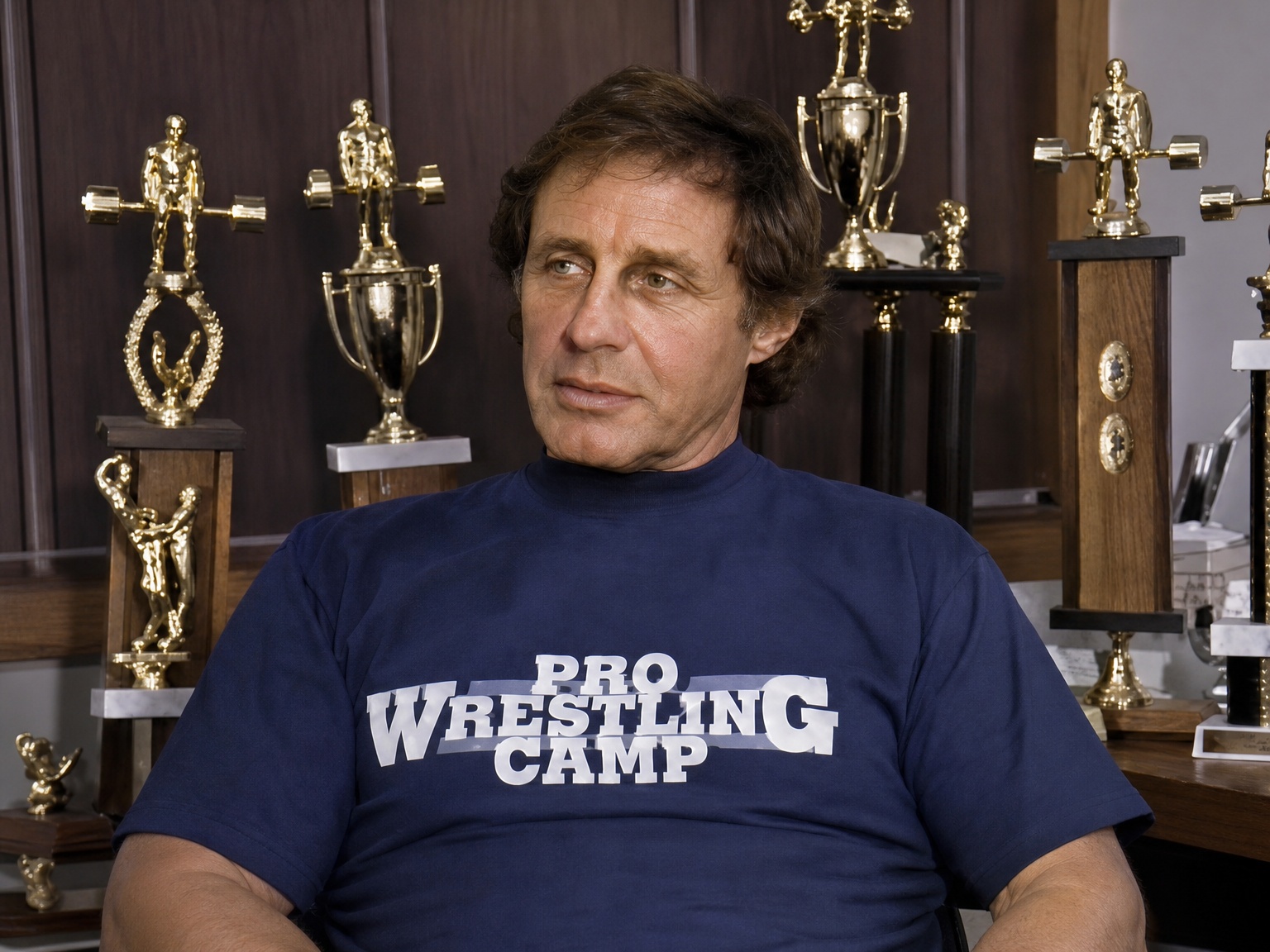
Eddie Sharkey seated in front of wrestling trophies
Eddie Sharkey at his Pro Wrestling Camp, surrounded by sporting trophies.
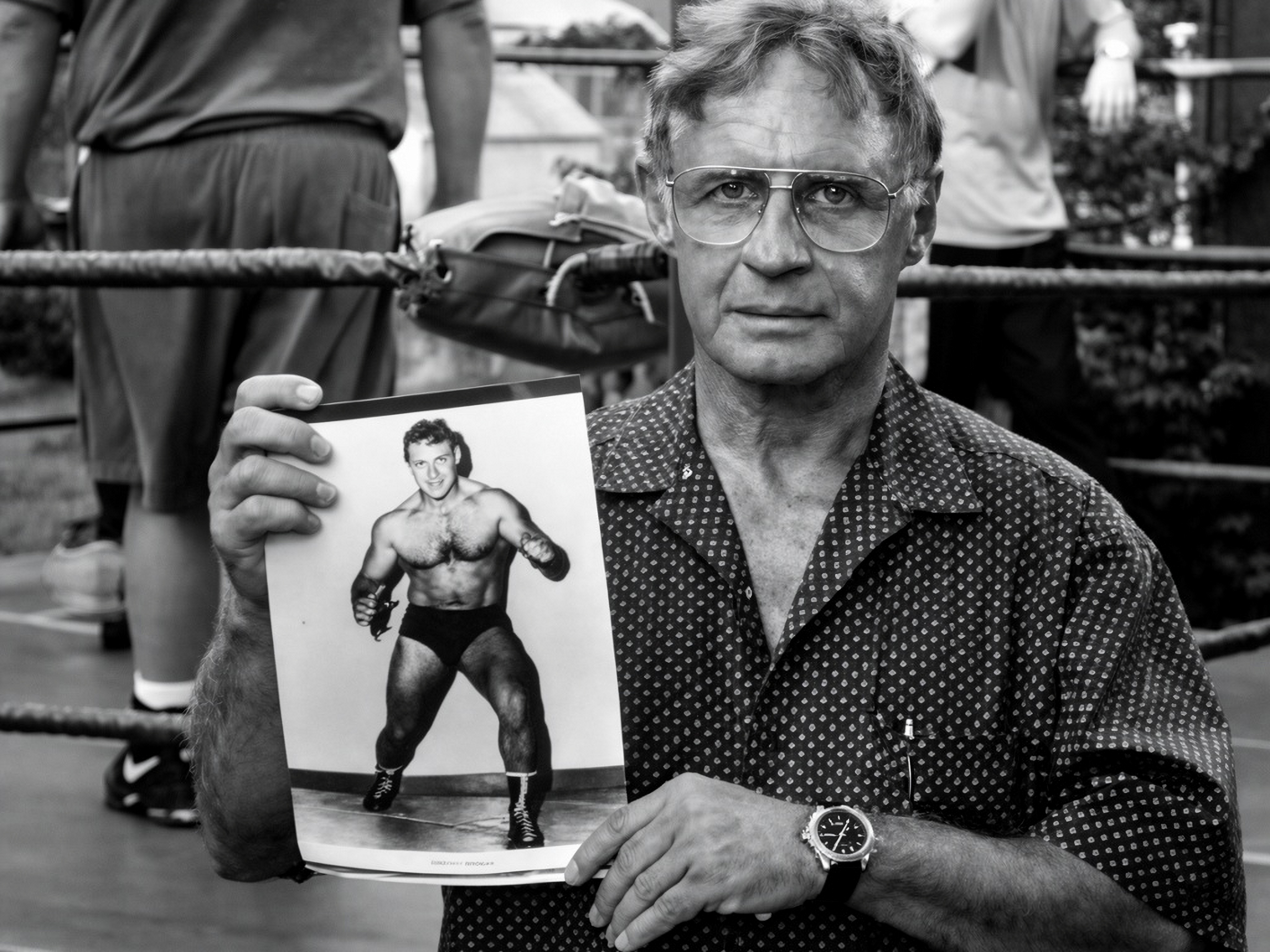
Eddie Sharkey holding a photograph of himself as a young wrestler
Eddie Sharkey holding a publicity photograph from his own wrestling career.
Eddie Sharkey and Brad Rheingans with John Nord, Rick Steiner and other trainees
Eddie Sharkey (left) and Brad Rheingans (right) with John Nord, Rick Steiner and other trainees.
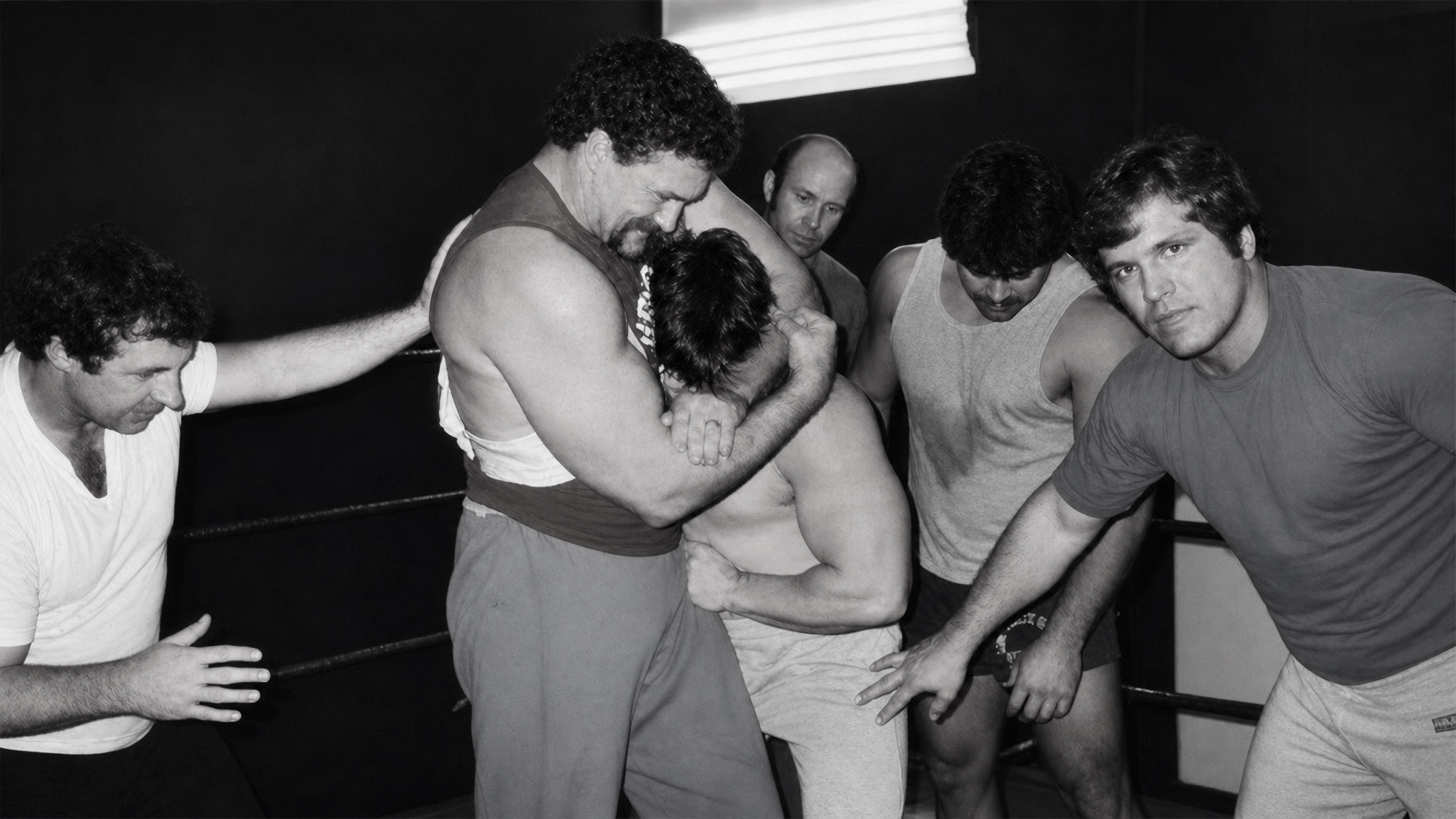
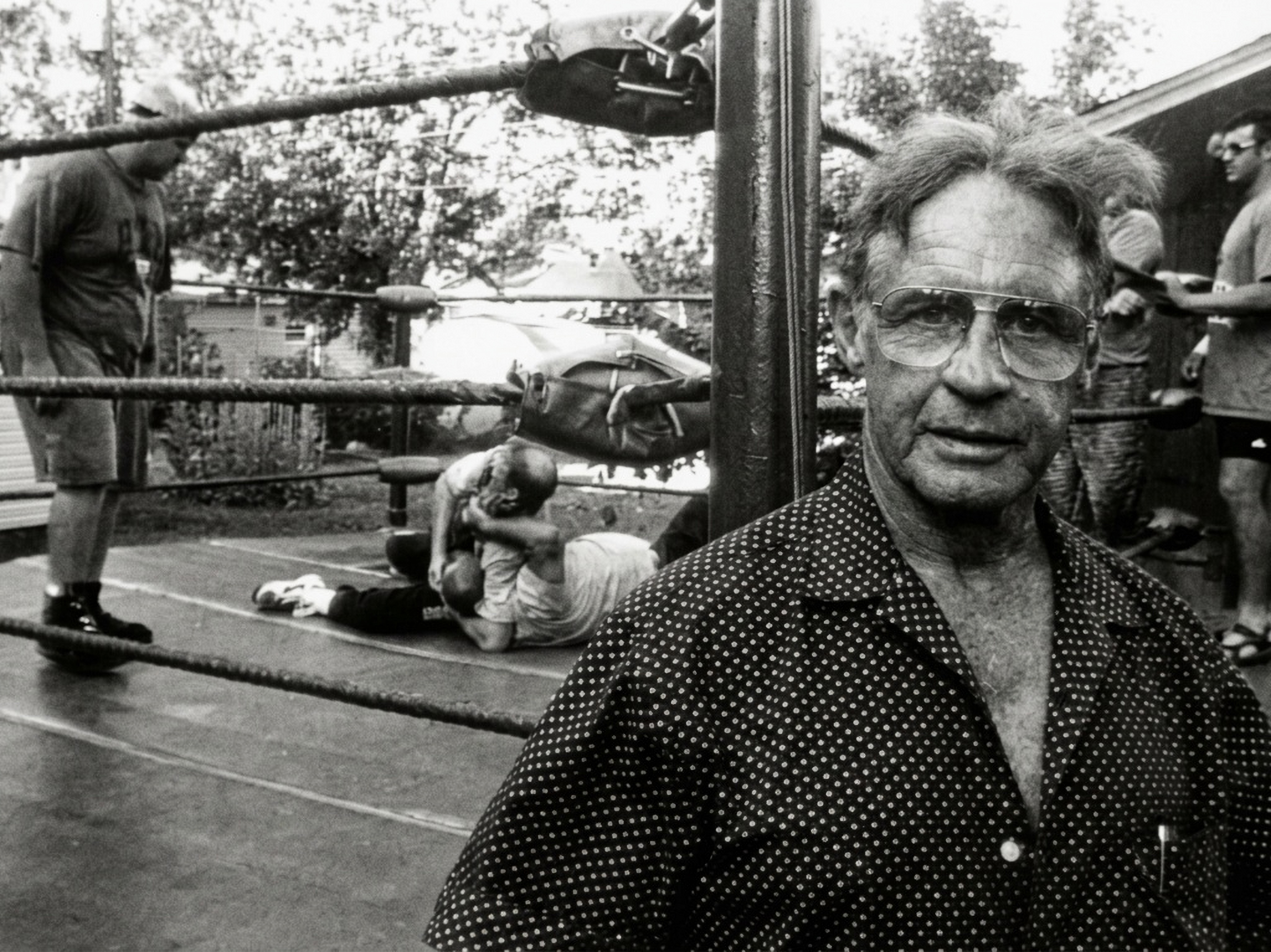
Eddie Sharkey beside the training ring while wrestlers practise
Eddie Sharkey watches trainees grapple during a session at his Minnesota wrestling school. Still from The Minneapolis Wrestling Club, a Site-Specific film.

05

Building Wrestlers

Eddie’s camp was where old carnival knowledge met a new generation of athletes.

By 1982 Sharkey had left the business. He was tending bar at a northeast Minneapolis establishment called Grandma B’s when two young bouncers approached him for wrestling training. Looking to make a few dollars, Sharkey agreed. As it turned out, he had stumbled upon what would become the hottest tag team of the 1980s: the Road Warriors.

Others who joined Eddie’s training camp during this period included Rick Rood—later “Ravishing” Rick Rude—and Jesse Ventura.

“Eddie taught us how to hit the ropes, leap frog, one tackle, drop down, drop kick and take bumps.”— Tom Zenk

Tom later recalled that Eddie only “half-smartened” a newcomer, leaving the trainee to earn the rest through time, observation and ring experience.

06

Tom Zenk Walks In

Before television, Japan, the WWF and WCW, Tom Zenk was another Minnesota athlete looking for a way into the business.

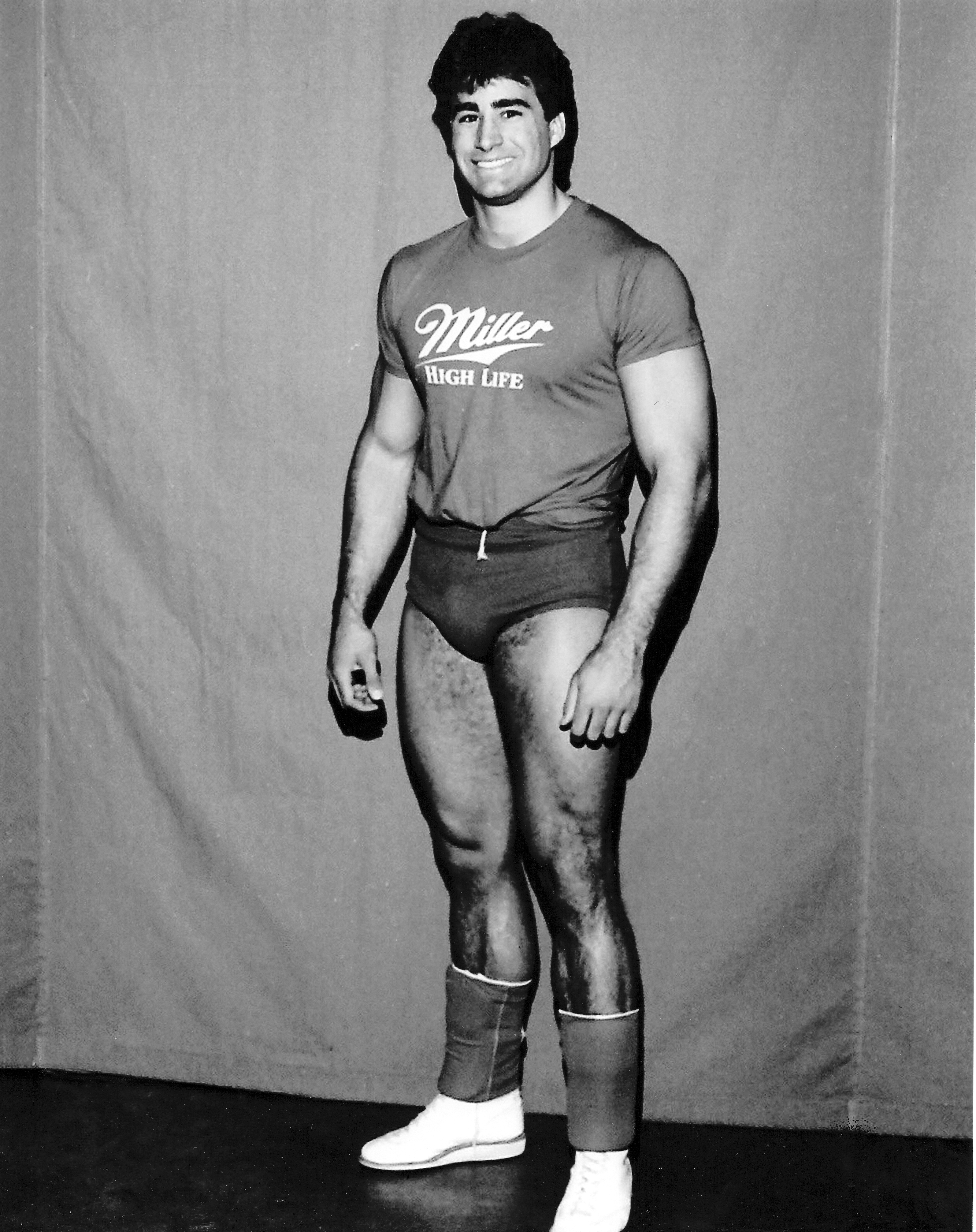
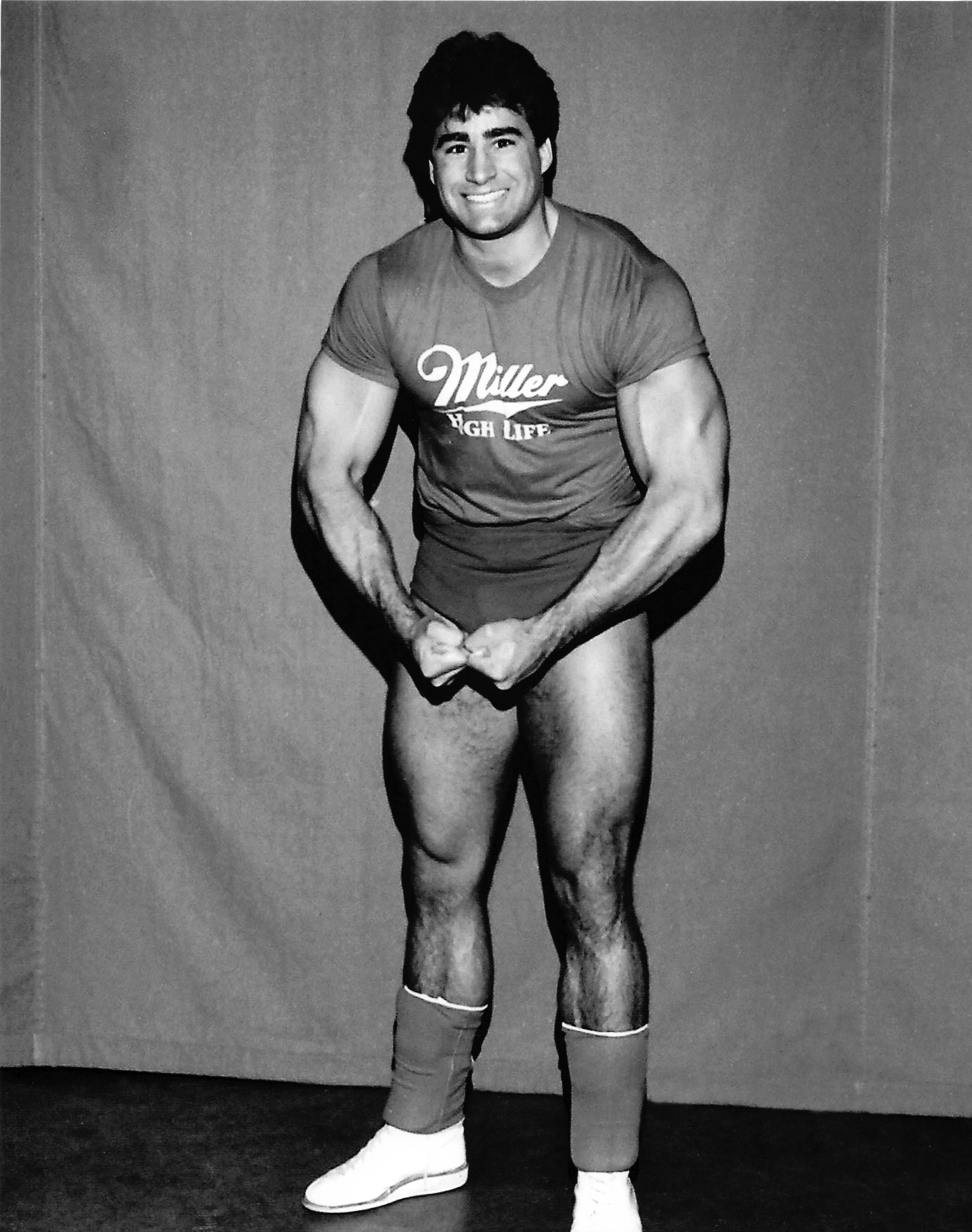
Young Tom Zenk promotional photograph Young Tom Zenk flexing in a promotional photograph
Among Tom Zenk’s earliest promotional photographs, taken as he prepared to move from training into professional bookings.
Tom Zenk remembers The Leaning Post, Eddie Sharkey and the road into wrestling

The following is an edited first-person recollection by Tom Zenk. It reflects his own memory and perspective.

I started bouncing at The Leaning Post aged twenty-one, with Scott Doring, Dennis Morin and Jeff Hassel. Dennis and Jeff got me the job. Just like the wrestling business—just like life—you had to know someone. Dennis had worked at the Seventh Street gym with Eddie Sharkey as one of his trainers. It was a tight little scene.

After the Seventh Street gym closed, Sharkey worked at Grandma B’s, over Northeast on Marshall by the river. Wrestling had taken off in Minneapolis with Verne Gagne, Hulk Hogan and Jesse Ventura. Joe Laurinaitis, Michael Hegstrand and Rick Rood kept asking Eddie how to get into the business. Eventually he opened a camp. Laurinaitis and Hegstrand became the Road Warriors, Rood became “Ravishing” Rick Rude, and Barry Darsow reinvented himself several times over.

In 1984 I was competing in bodybuilding when Road Warrior Animal came to see me after a contest. “Hey Tom,” he said, “we could use a babyface like you in wrestling.” I guessed he meant the good guy. “If you’re interested, go and join Eddie Sharkey’s camp.” I already knew where it was—off Lake Street in an old church, close to our hangout at Butler Drug.

Eddie was a master of the con. If I had a Fagin, it was Eddie. He was small and barrel-chested, with salt-and-pepper hair, and he carried the reputation of a shooter, a street fighter and a man who had survived every rough corner of the old business. He had wrestled carnivals, run clubs and small businesses, mixed with hustlers and characters, and learned to live by his wits.

I joined his camp in the summer of 1983 with Brad “Nailz” Wacholz, Glen Lieske, Rick Renslow and Marc Kroman. We set up the ring in Glen’s backyard in St Louis Park. For three months Eddie taught us to hit the ropes, leap frog, one tackle, drop down, drop kick and take bumps. He charged $1,000 for the camp. I paid $330 and he let me off with the rest. I was still the shits in the ring, but I had learned enough to know I was a natural for the business.

Eddie only half-smartened you up. Maybe he filled in the rest if you stayed around long enough. Before I left, he gave me one last piece of advice: “Wrestling’s not much of a living, Tom, but it’s one hell of a hobby. Have your fun—and when you leave, don’t burn your bridges. Blow them up, so you never go back.”
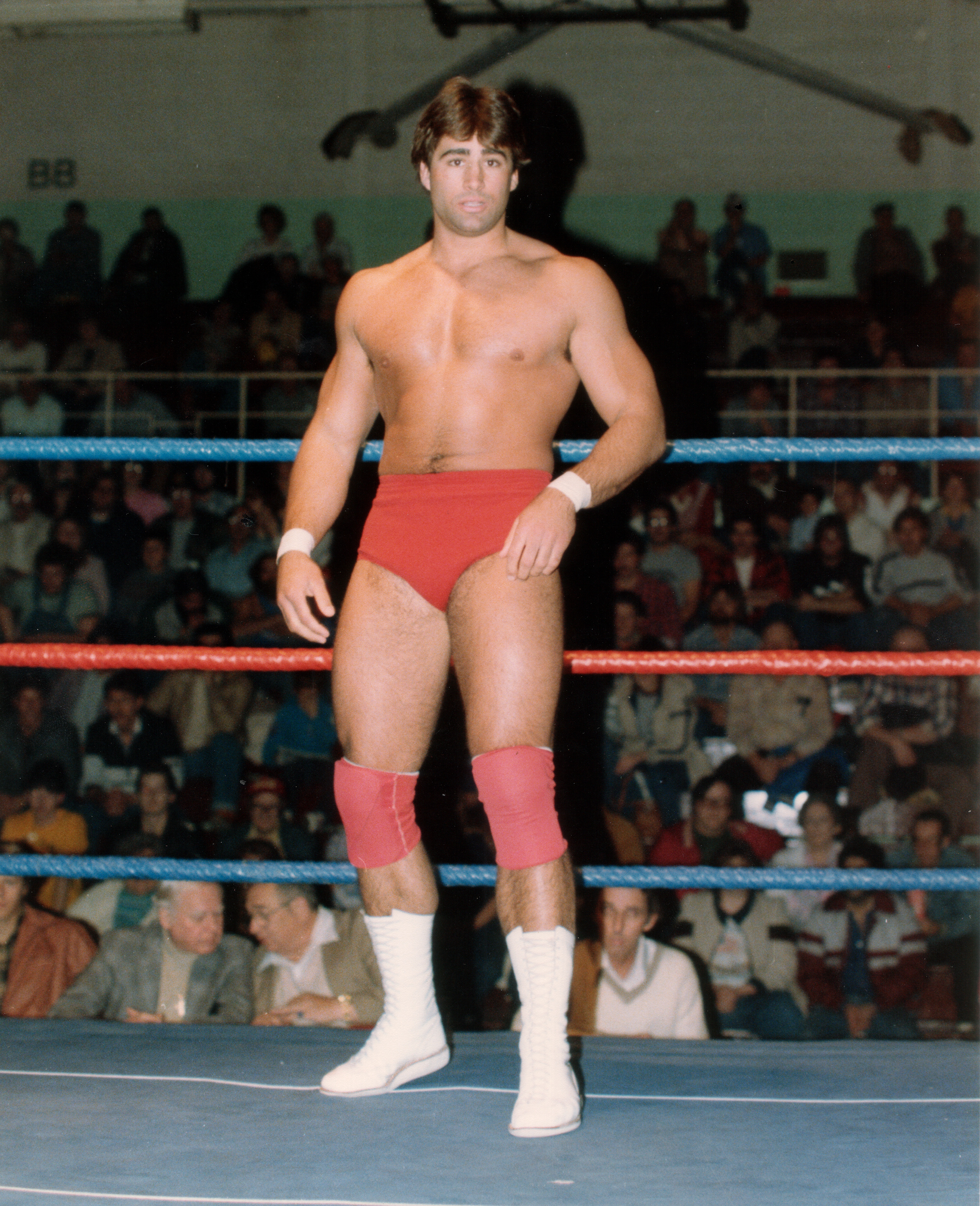
Tom Zenk standing in an AWA ring in red trunks
From the training ring to the American Wrestling Association: Tom Zenk during his first season as a professional.

07

The Students Who Changed Wrestling

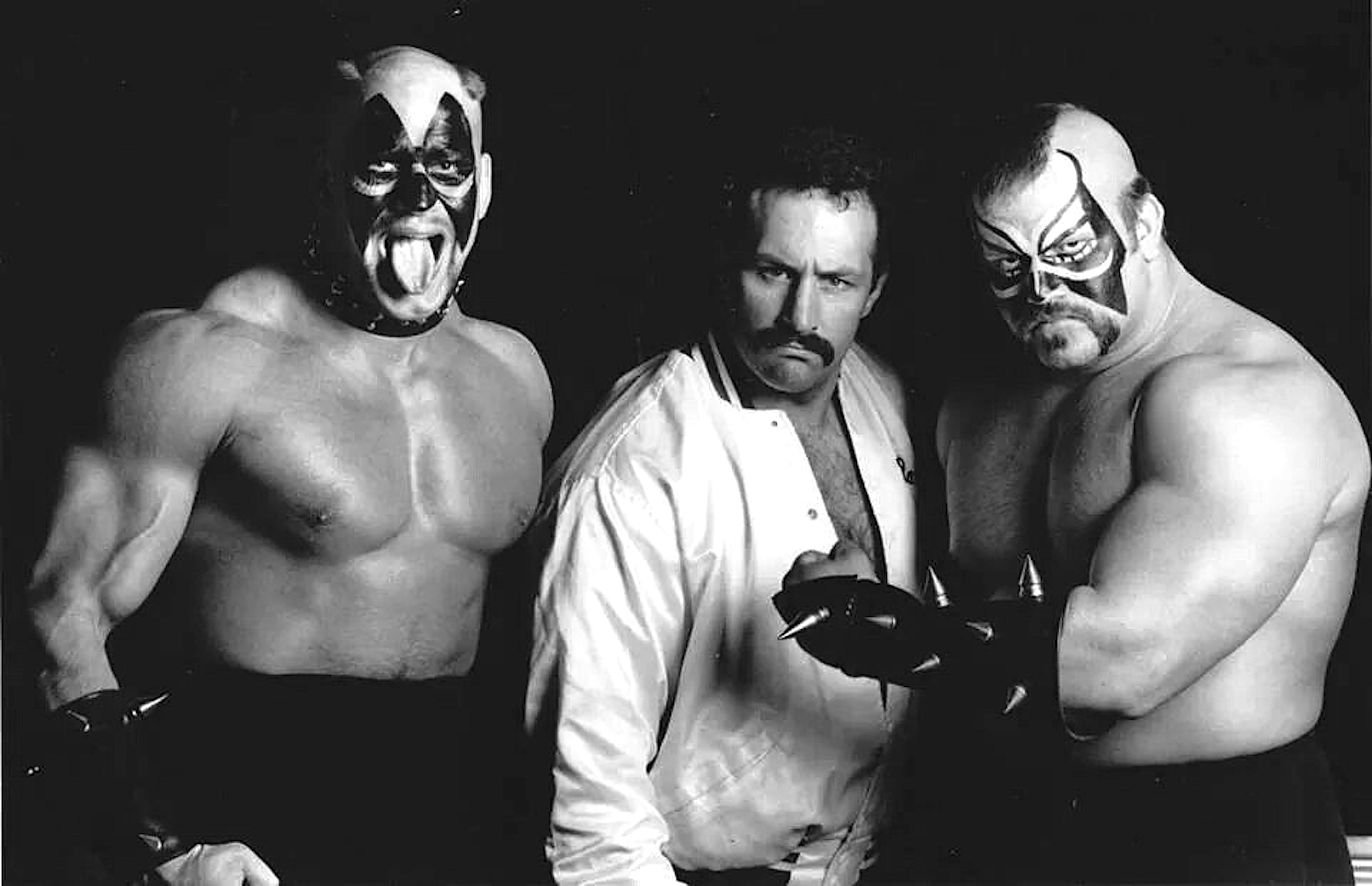
The Road Warriors with Paul Ellering
The Road Warriors, Hawk and Animal, with manager Paul Ellering.

Sharkey file · Alumni spotlight

The Road Warriors

Hawk and Animal became Sharkey’s most internationally influential graduates. Their size, presence and intensity transformed expectations of tag-team wrestling during the 1980s.

Tom Zenk and Rob Rechsteiner, later known as Rick Steiner, in AWA ring action
Sharkey trainees in action. Tom Zenk and Rob Rechsteiner (Rick Steiner) meet in AWA competition. Both developed the technical fundamentals of professional wrestling at Eddie Sharkey’s Minnesota training camp before going on to national and international careers.
Road WarriorsTom ZenkRick RudeBarry DarsowJohn NordScott NortonRick SteinerScott SteinerJesse Ventura

08

The First Big Tests

The camp’s graduates eventually tested one another under arena lights.

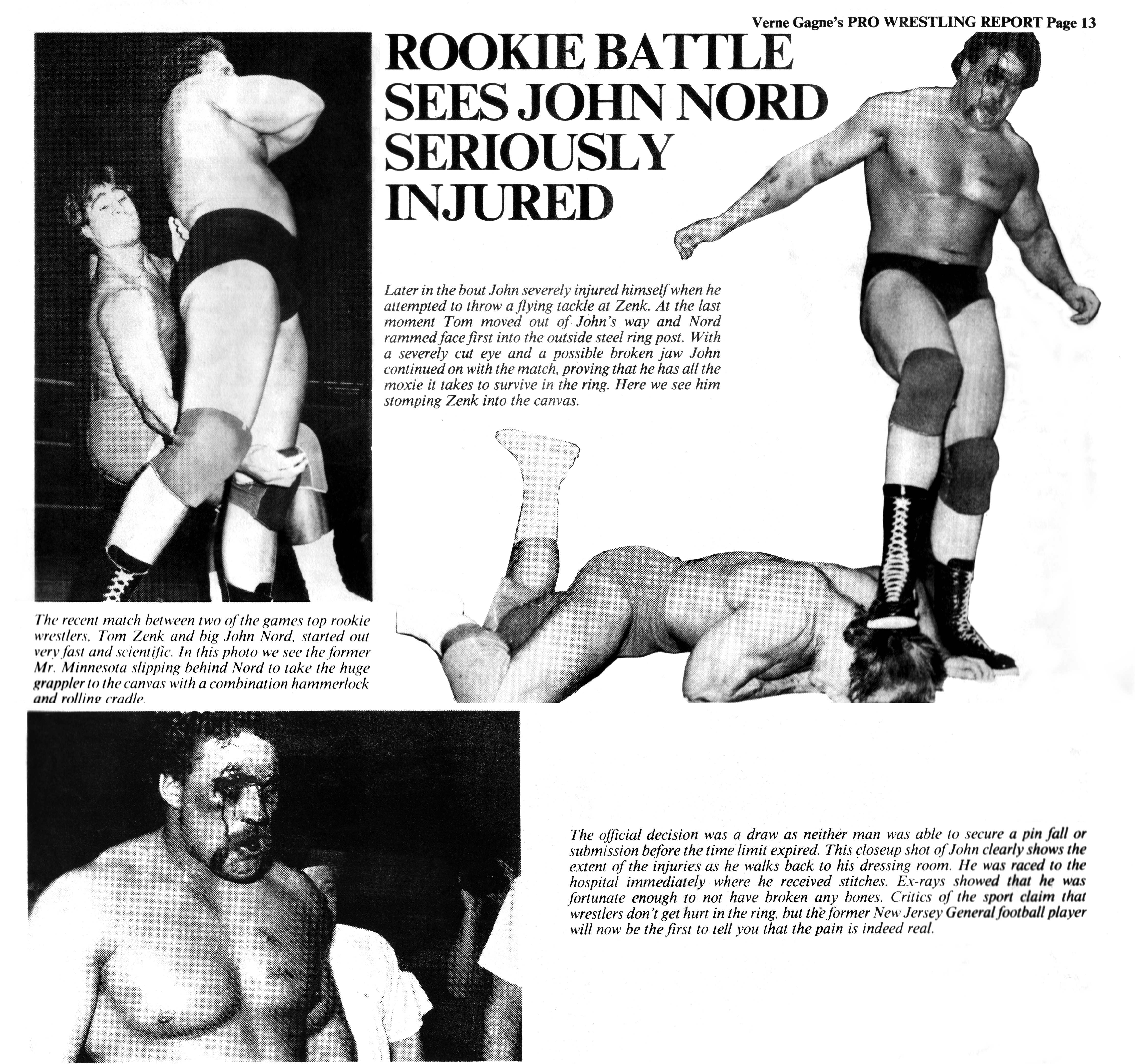
Tom Zenk and John Nord were presented as two of the AWA’s leading rookies. Their magazine feature captured both the spectacle and the genuine physical risk of learning in public.

Magazine page showing Tom Zenk wrestling John Nord
Tom Zenk and John Nord in an early rookie rivalry.

10

Tickets to the Territory

Programmes, newspaper advertisements and magazine pages document the transition from trainee to regular performer.

From the collection

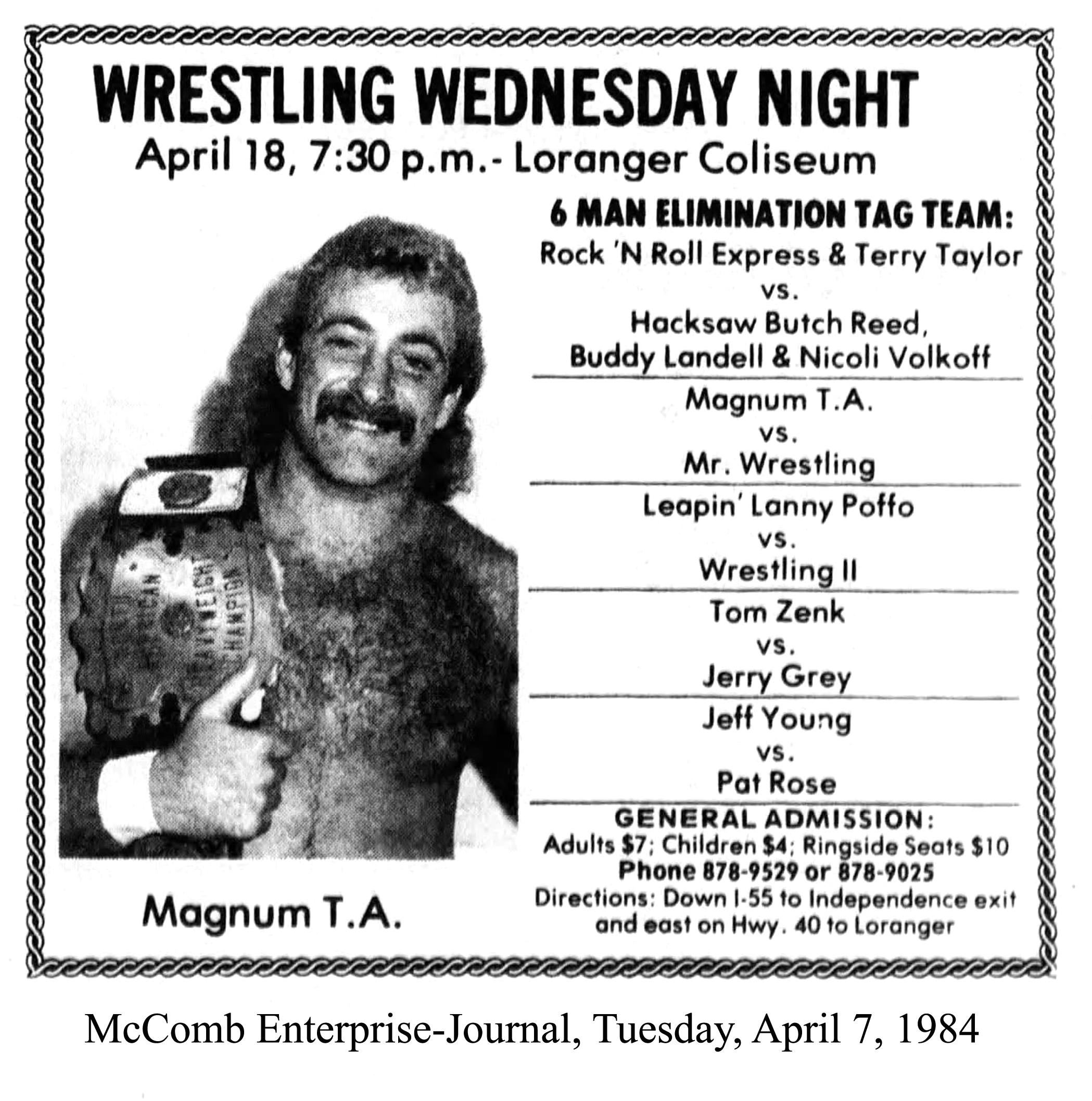
Mid-South · April 1984

Mid-South · April 1984

Tom Zenk vs Jerry Grey in Loranger, Louisiana, during his early apprenticeship outside Minnesota.

From the collection

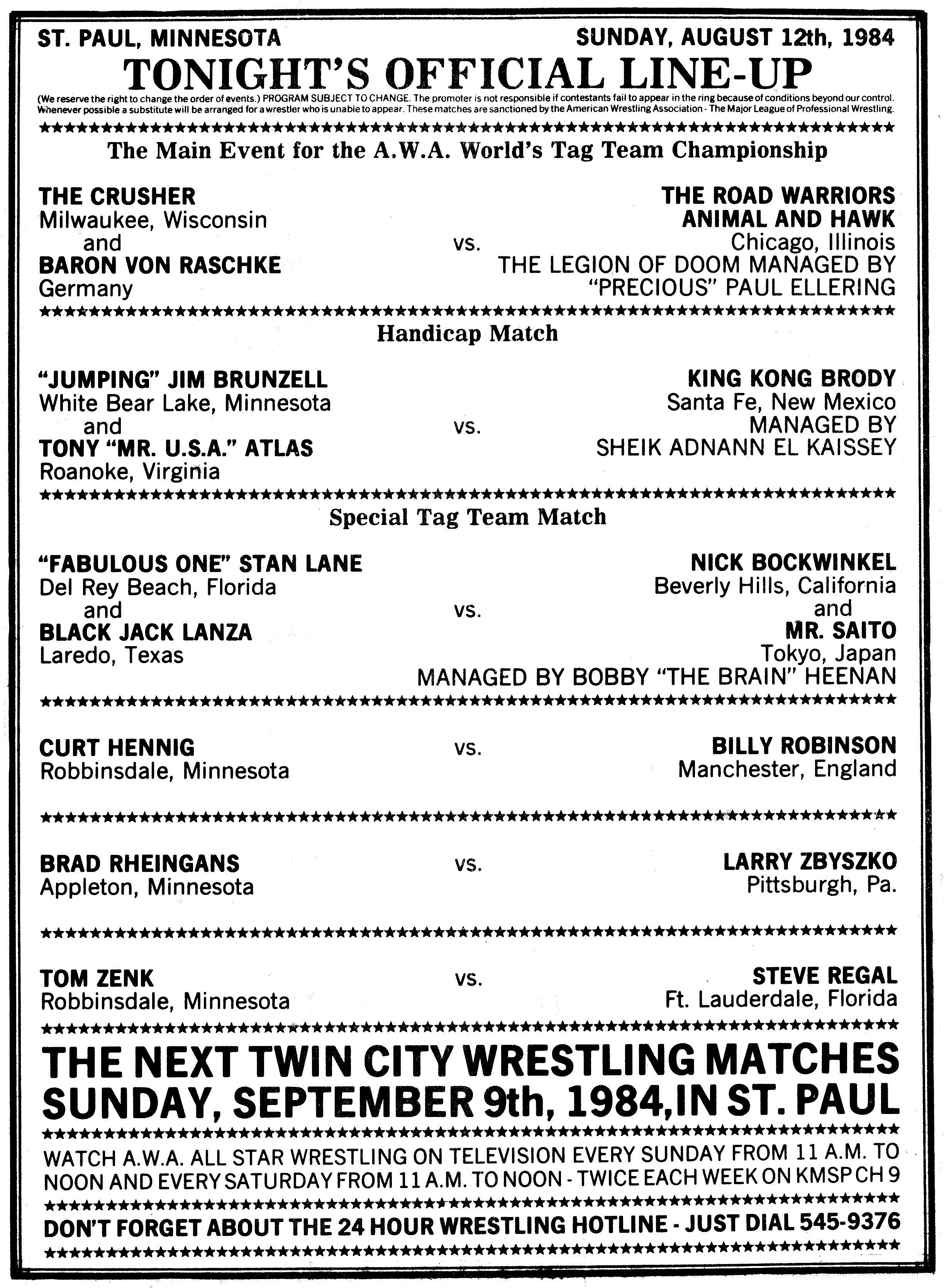
St Paul · August 1984

St Paul · August 1984

Tom Zenk vs Steve Regal on a card headed by the Road Warriors.

From the collection

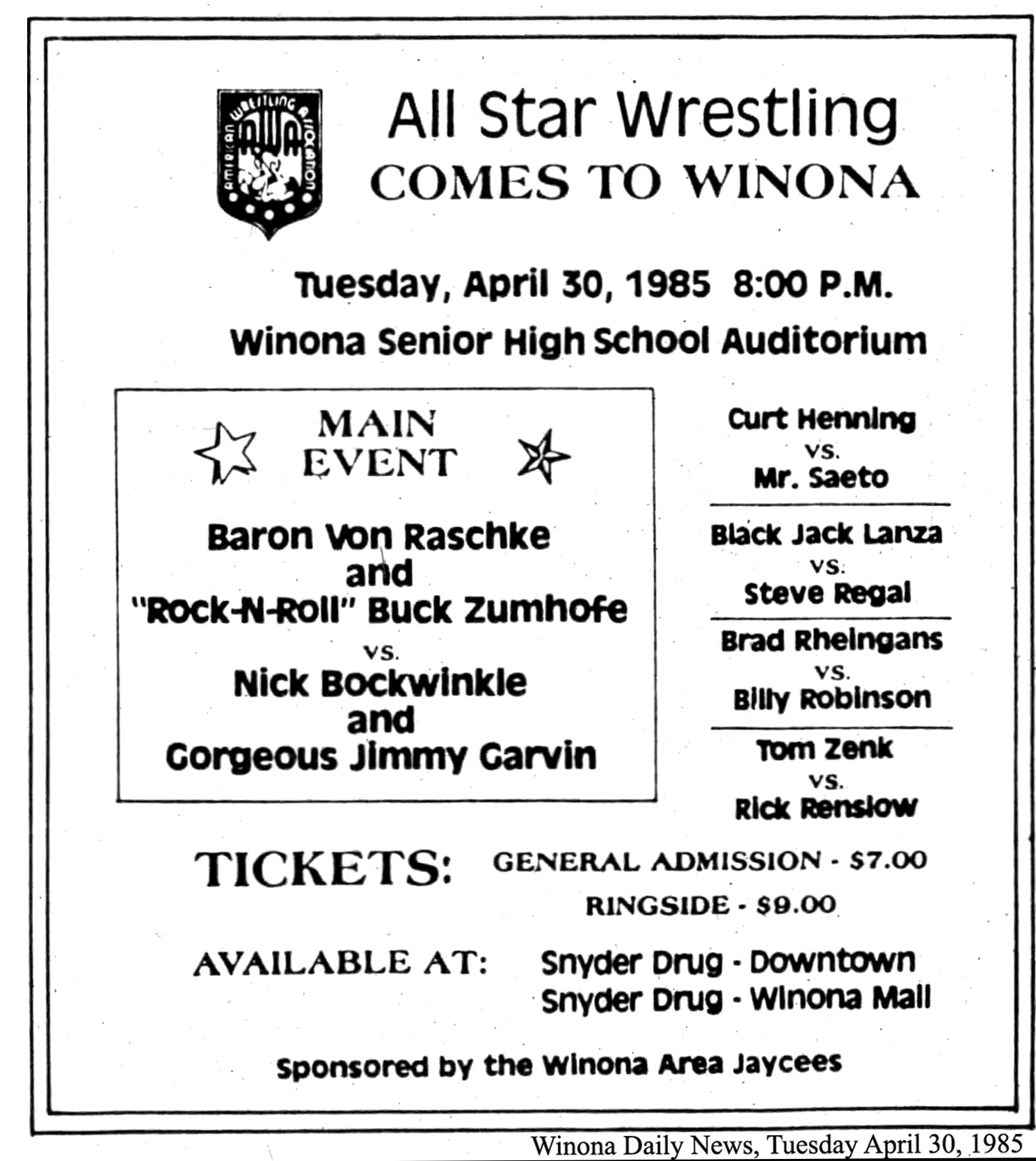
Winona · April 1985

Winona · April 1985

Tom Zenk vs Rick Renslow during his first full AWA season.

From the collection

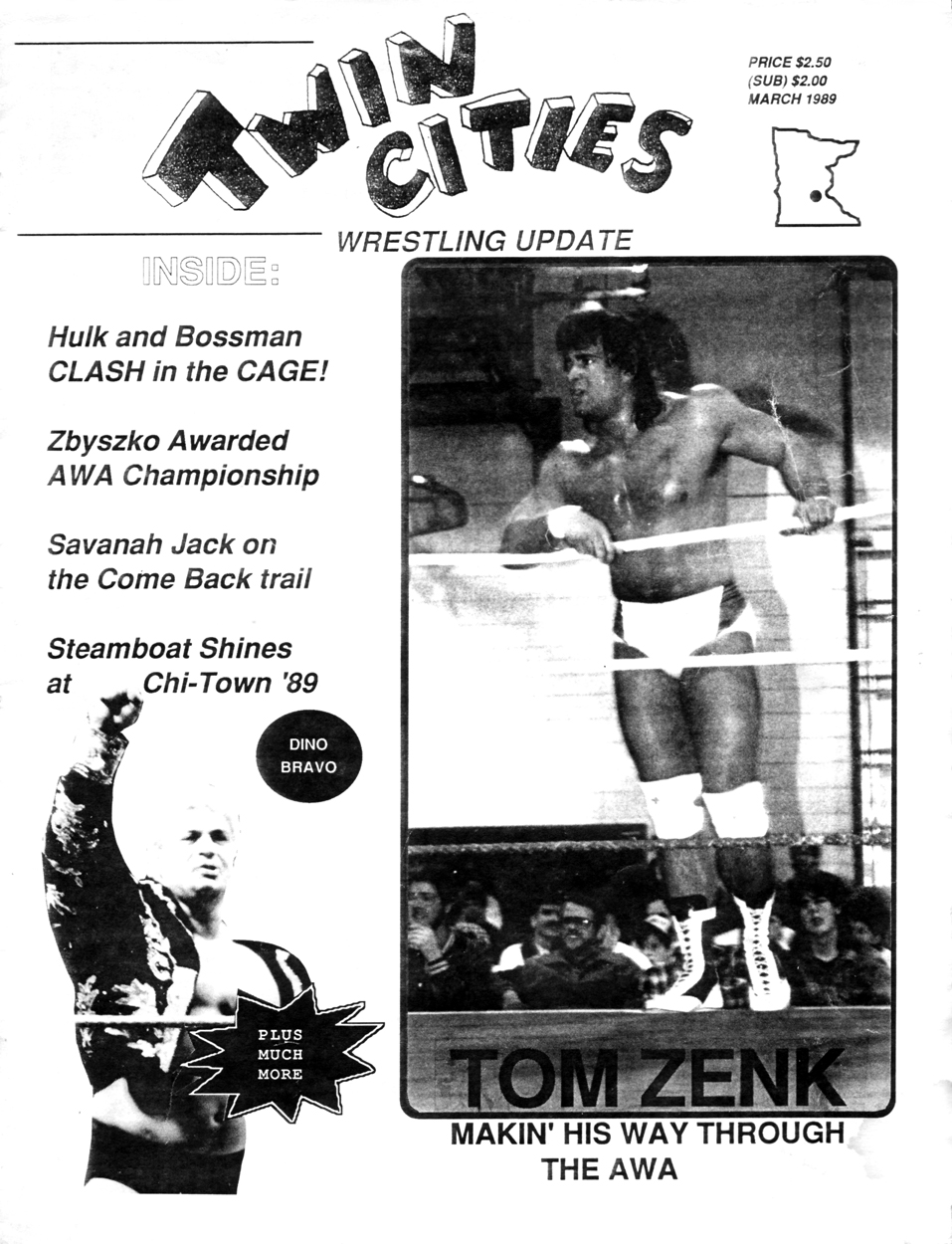
Twin Cities · 1989

Twin Cities · 1989

Regional wrestling coverage documented Tom’s later return to the AWA.

Eddie Sharkey holding a publicity photograph from his own wrestling career
Eddie Sharkey with a publicity photograph from his own wrestling career. Still from The Minneapolis Wrestling Club, a Site-Specific film.

12

The Work Lives On

Sharkey’s influence is best measured through the careers that flowed out of his ring.

“The greatest wrestling school in America wasn’t a building. It was Eddie Sharkey.”

His trainees carried the lessons of the carnivals into television studios, major arenas and promotions around the world. They learned moves and conditioning, but they also learned how to protect kayfabe, read an audience and make a performance feel real.

Sharkey Mania

For more information on Eddie Sharkey’s career, see Sharkey Mania by Mike Mosedale, City Pages, 15 November 2000, reproduced on TomZenk.net.

Read the complete article

Primary sources include Tom Zenk’s interviews and recollections; Eddie Sharkey interviews; Sharkey Mania by Mike Mosedale, City Pages; The Minneapolis Wrestling Club (a Site-Specific film); and American Wrestling Association programmes, posters and contemporary magazines from the TomZenk.net collection.

The Robbinsdale
Power Plant

Discover why one Minnesota community produced an extraordinary concentration of professional wrestling talent.

Return to the main AWA page